

Seed Saving
Seed Saving, Sharing, and Starting
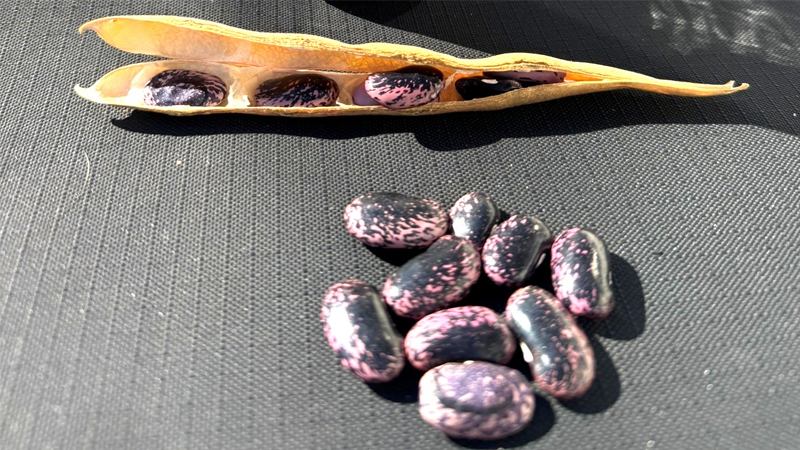
Since its founding in 2023, the Seed Saving, Sharing, and Starting team has helped establish and support seven seed libraries in Marin. These libraries, along with three pre-existing ones, encourage seed saving and propagation by providing free seeds and educational materials. The goal is for participants to grow plants, save seeds, and return a portion to share with the community. The team hosts hands-on workshops, seed swaps, and propagation demonstrations.
Why is seed saving important?
Seed saving offers numerous benefits to gardeners, the community, the environment, and our food system. It helps:
- Preserve heirloom varieties. Seed savers can enjoy seeds that have been grown for generations, many of which have a story.
- Maintain biodiversity. By saving seeds you can select for plants with different traits, such as early ripening, disease resistance, yield or taste.
- Adapt plant varieties to the local environment. Seeds you save will be adapted to factors such as soil and climate.
- Reduce gardening costs. Saved seeds are less expensive than purchased seedlings or those from commercial packs.
- Increase the variety of plants available to the gardener. The gardener’s choice is not limited to what can be purchased.
- Strengthen community connections. Seed savers can come together to share seeds and gardening experiences.
Saving seeds
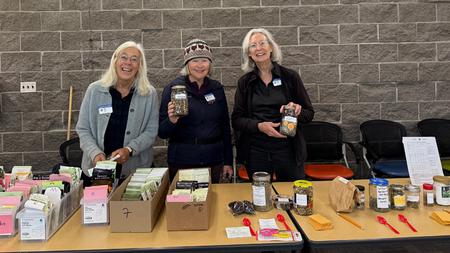
We strive to build a community of seed savers and sharers for edibles, herbs, and ornamentals of both California native and non-native plants. At our events, we provide guidance and demonstrations on harvesting and preserving seeds.
Learn more about how to select, collect, and store seeds.
Label your seeds with the following information:
- Botanical name
- Common name
- Whether the seeds come from a cross-pollinated plant
- Growing location
- Year
- Grower’s name
Obtaining seeds
UC Marin Master Gardeners source seeds from various contributors, including open pollinated seeds donated at seed swap events. Open pollinated seeds are a variety that, when allowed to cross-pollinate only with other members of the same population, produce plants that are identical to the parent. Our seed sources include:
- Local businesses
- Local seed companies
- Individual UC Marin Master Gardeners
- Community members