

Site Analysis: Getting to Know Your Garden
Most successful gardens did not happen by accident. The gardeners who tend them developed a deep understanding, or analysis, of the site over time. Here's how to perform a site analysis for your garden. This is especially useful when you've just moved to a new location, but it also helps when you want to hit the reset button on your current garden. Armed with this information, map out a plan for turning your garden into a beautiful, functional, Earth-friendly oasis.
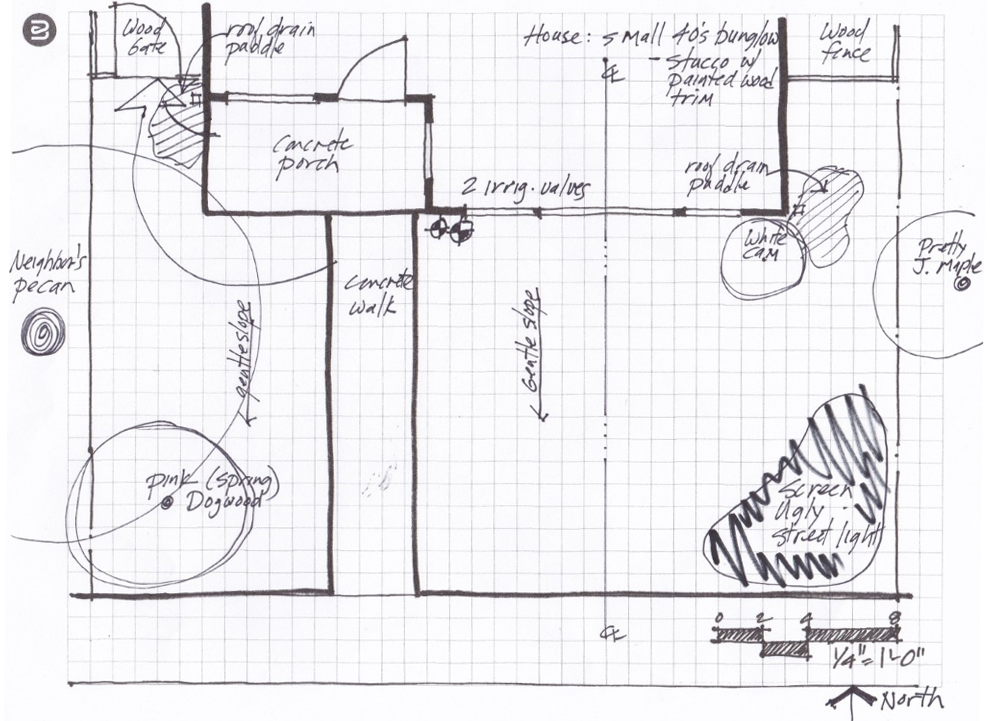
Getting started
If possible, allow a year to accurately assess your site. This way you can see your garden in every season.
Create a simple drawing. Nothing fancy, just something that shows the various areas of your garden.
Keep a journal of your observations. Jot down findings for each area throughout the year.
Begin with the basics: cultural conditions
Sun
• How much sun do you have? During what hours?
• Use the following guidelines for the various areas of your garden:
- Full sun: 6+ hours per day (8-10 for edibles)
- Part sun: 5-6 hours per day
- Part shade: 3-4 hours per day
• Where does shade come from? Trees? Neighbors? Hillside? Your house?
Identify where you want to let in more light by removing trees or shrubs that are creating shade.
Soil
• Evaluate your soil.
• Do you have clay soil? Sandy? Rocky? Loam? A combination?
• If you plant to amend your soil, how will you access that area?
Climate
• Are you in Sunset climate zone 15, 16, or 17?
• Assess your microclimate
• Learn how climate change affects your garden.
• Does your garden experience frost, wind, or intensely hot days?
Water
• Do you have a drip irrigation system, sprinklers, or no irrigation?
• How will you provide water to each area of your garden?
• Are there any issues with drainage?
• Are there permeable surfaces where rainwater can sink, slow, and spread?
Next: what else defines your garden?
Native plant community
• Are you deep in a redwood forest canyon or overlooking coastal grassland or maybe surrounded by an oak woodland? The look, feel, and native species in your immediate surroundings may influence your plant choices.
• Living with oaks or redwoods requires special planning.
Topography
• If you are on a hillside, what is your plan for controlling erosion? Will you terrace the space?
Threat of fire
• Creating a fire-smart landscape is critical in Marin County.
Infrastructure
• Is your fence in good shape? Retaining walls?
• Does anything need repairs?
What do you like about your setting?
• Is there an attractive view to retain and possibly accentuate?
• Are you near open space?
• What plants would you like to keep?
• Do you want to play up the architecture of your home?
What do you dislike about your setting?
• Is there an unattractive view to hide?
• What plants would you like to remove?
• Is there traffic noise?
• Is your garden overrun with weeds? How will you eradicate them?
• Have you had issues with pests or diseases or other garden problems?
• What else would you like to change?
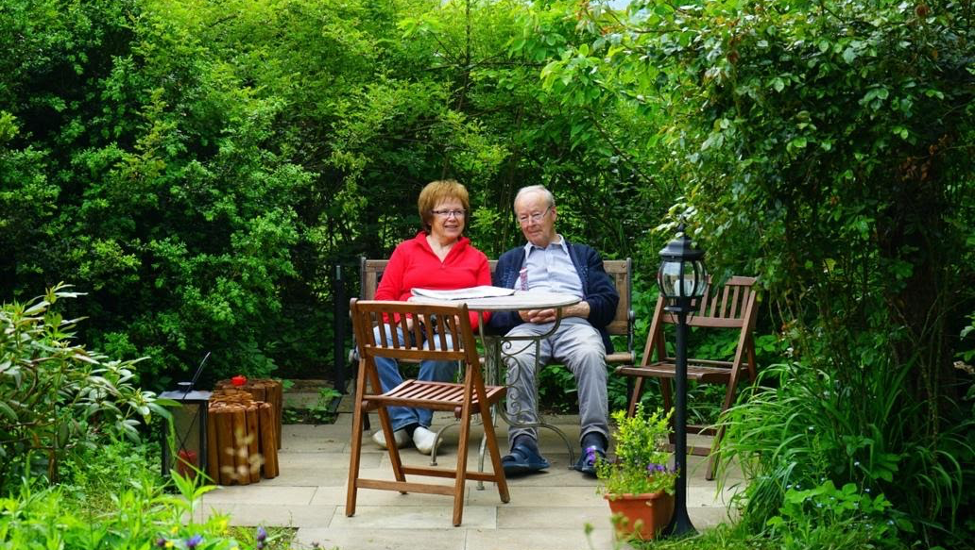
Finally: how do you want to use the space?
• Envision how you and your family will use the space - the more detailed the better
• What kind of garden(s) do you envision? Edible? Habitat? Formal?
• Where do you want to walk?
• Where do you want to sit?
• Do you want a garden for entertaining?
• Do you have kids who will play in the garden?
• Will your pets be sharing your garden with you?
• Where do you want a patio, deck, or other hardscape?
• Do you want to add a water feature? Hammock? Boulders? What else?
• How much time do you have for maintenance?
Quick tips for building sustainability into your garden
• Build, protect, and nurture your soil.
• Choose native plants to extend and protect Marin's unique biodiversity.
• Choose other low-water plants from the other Mediterranean climate regions.
• Create habitat for pollinators and other beneficial insects.
• Replace your lawn.
• Conserve water and energy. Compost on-site, shop locally, use recycled items.
• Avoid pesticides, herbicides, and other chemicals that could harm wildlife and the environment.
• More suggestions for creating an Earth-friendly garden.