

What do plants do?
-
Marie Narlock
-
“The plant is blind, but it knows enough to keep pushing upwards towards the light, and it will continue to do this in the face of endless discouragements.” – George Orwell.
Sometimes, it feels like the world is spinning a little too fast – and a little off-kilter. I often feel this way while reading the news, with its glaring reminders of how we treat the planet and each other. When I get to this point, I know what I need to do.
I need to go outside.
I need to put my hands in the soil or, tug out some weeds or plant some seeds. Better yet, I need to lace up my walking shoes and hit a trail where I can surround myself with Marin’s innate beauty. There, I step into the eye of the storm and relish its calm. Instead of dwelling on what’s all wrong, I shift my attention to the incredible flora that surrounds me and consider its unsurpassed contributions.
Plants may not be able to walk or talk, but you’d be hard-pressed to find an equal in terms of positive global impact.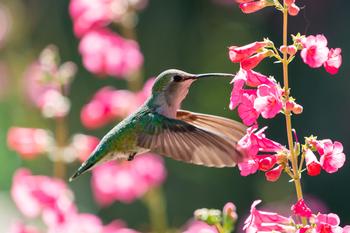 Plants provide food and shelter for wildlife, including birds, insects, and mammals. Photo: Matthew Gilford, Flickr
Naturally, they provide all sorts of environmental benefits. Our native plants are the cornerstone of our biodiversity, a unique combination of living things that coexist and provide a sense of place. (Can you imagine Mill Valley without redwood trees? Novato without oaks?)
Plants give food and shelter to wildlife, from hummingbirds to bears to humans and every creature in between. Sprawling roots keep steep hillsides from sliding, and wide canopies cool hot pavement. Trees cast shade onto buildings, which lowers energy use and costs.
Like non-stop electric pumps, plants lift water from the soil to the atmosphere. This keeps our water cycle uninterrupted and available, which is nice if you like it to rain now and then. And that’s not all they lift. Plants also filter out pollutants like pesticides and synthetic fertilizers, which keep our air and water cleaner.
And speaking of cleaning things up, evergreen trees and shrubs, especially those with girth and hard wood, are excellent at sequestering carbon. In other words, they help sop up the mess we’ve made.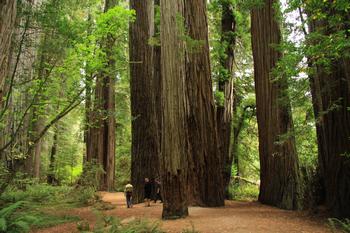 Large evergreen redwood trees are excellent for sequestering carbon, and improving air quality, and providing a sense of place. Photo: Creative Common
Plants also act as giant air conditioners. They regulate the Earth’s temperature by absorbing carbon dioxide from the atmosphere, sequestering carbon, and releasing water vapor that cools the surrounding air. How cool (get it?) is that?
But that’s not all plants do. Not even close.
By far, the most critical thing plants do is make the air we breathe. We may feel like masters of the universe, but the truth is that if you removed all the plants on Earth, humans would perish.
Through the process of photosynthesis, which first occurred a few billion years ago, plants convert the carbon dioxide we exhale into oxygen. And then they take it a step further and keep that oxygen in balance. In fact, oxygen is kept in balance on Earth solely due to plants.
Simply put, plants make life on Earth possible – and they also make us feel good.
Many studies show the health benefits of being in nature and the power of plants to enhance our quality of life and our physical and emotional well-being. Patients heal faster when plants are present. Students learn better. Workers produce more and stress less.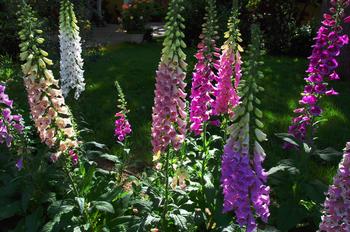 Foxglove (Digitalis) is a beautiful flowering plant that is used to create a common heart medication (Digoxin). Photo: David Prasad, Flickr
Modern medicine relies on plants. Forty percent of Western medicines come from plants, including the top 20 best-selling prescription drugs in the US. Think foxglove for the heart and yew for cancer. Plants are also the largest source of vitamins, as the body cannot make them on its own.
Every bite of food we eat comes directly or indirectly from plants. Every cup of coffee. Every bowl of cereal. Every book, blanket, house, T-shirt, bottle of wine, and easy chair.
Even when the world feels bleak, even when things aren’t going your way, nature is there to soften the blow. Enjoy a walk at China Camp. Cool off in the headlands. Picnic at Olompali. While you’re at it, please give a nod to the plant life that sustains us.