

Keep diseases out of the garden
-
Nanette Londeree
-
With the cool, wet weather comes the bane of gardeners – plant diseases. Diseases are generally bad news, whether it’s blackspot on your roses, rust on your rhododendrons, downy mildew on your broccoli, or peach leaf curl on your nectarine and peach trees.
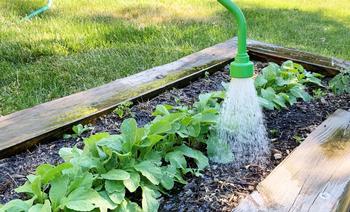 Water in the morning so that foliage can dry out during the day to reduce the chance of infection. Photo: Flicker
A plant disease is defined as a malfunction in a plant in response to continuous irritation by an infectious agent or pathogen, most typically a bacterium, fungus, virus, or nematode. They cause a wide range of symptoms that can affect the plant's ability to grow properly and reproduce and may reduce yields.
Both in occurrence and severity, plant diseases result from three factors - a susceptible host plant, a pathogen, and environmental conditions favorable for infection and disease development. Collectively, these three factors are known as the “Disease Triangle.” If any one of these is not present, disease will not develop. To prevent plant diseases in the garden, here are some things you can do to disrupt one or more parts of the triangle by reducing the sources of disease, strengthening plant defenses, and reducing favorable environmental conditions for the disease.
Possibly, the easiest way to limit sources of disease is by using disease-resistant varieties of plants. Disease resistance is a genetic trait, like plant height or flower color, which varies within individual plants within a species or among species with a genus. Plant breeders carefully select and combine desirable plant characteristics and disease resistance to develop a new cultivated plant variety called cultivars. Most nursery plant labels will indicate the disease the plant variety resists.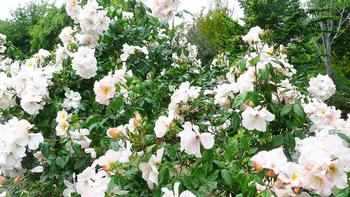 Choosing disease-resistant varieties of plants, like this 'Sally Holmes' rose, is an easy way to limit disease in the garden. Photo: Nanette Londeree
If you’re growing edibles, rotate crops. Pathogens often specialize in infecting specific plant families and planting the same crop in the same spot year after year allows pathogens to build up in the soil. Because plant pathogens can survive in the soil for a long time, three or more crop rotations are considered more effective in breaking the plant disease cycle.
Pull weeds; they can be another source of disease. Some serve as reservoirs for several insect-transmitted viruses that can infect homegrown vegetables.
Cleaning up the garden by removing diseased leaves, stems, or fruits can prevent pathogens from spreading. Many pathogens overwinter in plant debris or soil, waiting for favorable conditions to reinfect new plants. Be sure to destroy the diseased material, and don’t add it to the compost bin.
Plants growing in healthy soil, well-watered, and getting adequate sunlight are more able to fend off infections than those stressed by poor growing conditions, nutrient deficiencies, or water stress. Planting sites that are well-drained, sunny, open, and well-ventilated are especially important for growing healthy vegetables.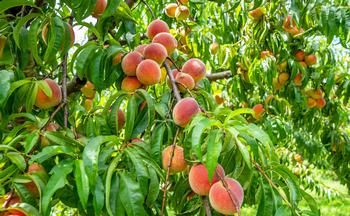 Prune fruit trees to promote air circulation around leaves. Photo: Pexels
Growing conditions can greatly contribute to the spread of disease, especially for pathogens that thrive in moist environments. Managing humidity and air circulation is essential. Start by establishing adequate spacing between plants to promote air circulation; this helps keep foliage dry and less prone to infection. Pruning and training plants to promote air circulation around leaves and allow more light penetration create a healthy environment that discourages infection.
Watering practices are also important. Many fungi require available water in order to infect a plant. Watering early in the day allows foliage to dry. Watering ornamentals at the base of the plant, as opposed to using overhead irrigation, will minimize leaf wetness duration and prevent foliar diseases.
Mulches can prevent soil that may contain disease-causing organisms from splashing onto plants. Straw, bark, wood chips, leaves, or shredded paper help prevent both soil from splashing onto plants and fruit from touching the bare ground. Tomatoes, in particular, benefit from a mulch layer to help prevent diseases such as early blight.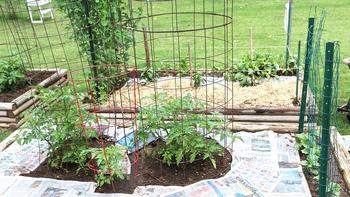 Mulches can prevent soil that may contain disease-causing organisms from splashing onto plants. Photo: Flicker
To prevent disease from entering the garden, eliminate one or more parts of the disease triangle by reducing disease sources, strengthening plant defenses, and reducing favorable environmental conditions for the disease.