

Ornamental grasses: a perfect blend of beauty and practicality for Marin gardens
-
Wendy Irving and James Campbell
-
If you’re looking to add a touch of movement, texture, and year-round interest to your garden, ornamental grasses might just be your new best friend. These versatile plants bring elegance and structure, making them a favorite among home gardeners in Marin County. But before you dive in, let’s explore how to choose the right grasses that are both beautiful and environmentally responsible.
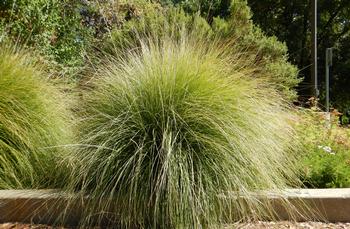 Deergrass, Muhlenbergia rigens, is a great alternative to Mexican feathergrass. Photo: Matt Lavin
The Appeal of Ornamental Grasses
There’s something magical about how ornamental grasses sway in the breeze, catching the sunlight and creating an ever-changing display. Beyond their aesthetic appeal, they’re incredibly practical. Ornamental grasses can serve as ground covers, border accents, or focal points. They’re often drought-tolerant, making them perfect for Marin's Mediterranean climate, and they can thrive in various soil conditions.
However, it’s not just about picking the prettiest grass at the nursery. Thoughtful selection is key, especially in a region like ours where invasive species can wreak havoc on local ecosystems.
Beware of Invasive Species
Some ornamental grasses, while lovely, have a darker side—they can escape cultivation and become invasive, outcompeting native plants and disrupting habitats. Pampas grass (Cortaderia selloana), fountain grass (Pennisetum setaceum), and Mexican feathergrass (Nassella tenuissima) are three common culprits.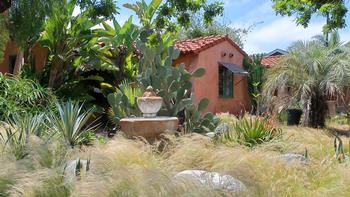 Mexican feathergrass, Nassella Tenuissima, while beautiful, can be invasive and displace native vegetation. Always use fire-safe landscaping practices
Pampas grass is a striking plant with its tall plumes, but it spreads aggressively, particularly in coastal areas. Fountain grass is another offender, with its fluffy, purplish seed heads finding their way into wild spaces. Mexican feathergrass, while delicate and airy, is notorious for spreading beyond garden boundaries and displacing native vegetation.
Thankfully, there are alternatives that bring similar beauty without the ecological risks.
Non-Invasive Options for Your Garden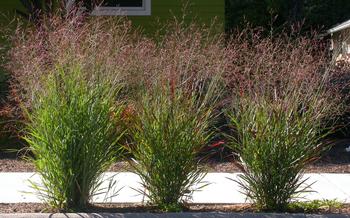 Switchgrass, Panicum virgatum, a North American native, is well-behaved and offers gorgeous fall color. Photo: Matt Lavin
For every invasive grass, there’s a non-invasive or native option that can provide the same charm. Switchgrass (Panicum virgatum), a North American native, mimics the vertical form and plumes of pampas grass but is well-behaved and offers gorgeous fall color. Muhly grass (Muhlenbergia capillaris), known for its vibrant pink clouds of flowers, is a showstopper and a great alternative to fountain grass. Deergrass (Muhlenbergia rigens), a California native, echoes the soft, flowing form of Mexican feathergrass without the invasive tendencies. It’s a standout for naturalistic and fire-safe landscapes.
Benefits of Native Grasses
Incorporating native grasses into your garden is a win-win. Not only do they provide habitat for local wildlife, but they’re also adapted to our climate, meaning less water and maintenance for you.
Blue grama grass (Bouteloua gracilis), with its quirky, eyebrow-like seed heads, is a conversation starter and perfect for sunny, dry spots. California fescue (Festuca californica) is a graceful option for shady areas, with soft blue-green blades that create a lush, calming effect. Purple needlegrass (Stipa pulchra), California’s state grass, is a hardy, versatile choice that adds a touch of native pride to your garden.
Planting and Care for Ornamental Grasses
Most ornamental grasses thrive in well-draining soil and full sun, though some, like California fescue, can handle partial shade. Once established, they require minimal water, making them ideal for our water-wise gardening ethos.
When planting, give your grasses space to grow. Overcrowding not only hampers their growth but can also increase fire risk—a crucial consideration in Marin’s fire-prone environment. According to University of California’s fire-safe landscaping guidelines, ensure grasses are spaced apart and trimmed regularly to remove dry or dead material.
Maintenance is a breeze. Many grasses only need an annual haircut in late winter or early spring to remove old growth and make way for fresh foliage. Keep an eye out for weeds, as they can sometimes creep into the clumps.
A Garden That’s Beautiful and Responsible
With careful planning, you can enjoy the beauty of ornamental grasses while protecting Marin’s natural environment. By choosing non-invasive and native species, you’ll contribute to a healthier ecosystem and enjoy a garden that’s stunning and sustainable.
So next time you’re planning your garden, think grasses. They’re more than just plants—they’re partners in creating a landscape that moves, breathes, and thrives in harmony with Marin’s unique beauty.Got questions? The Marin Master Gardeners are here to help! Let’s grow responsibly, neighbors!