

Winterizing your Marin County garden: protecting plants from cold and wet conditions
-
Jill Heiman Williams
-
As the days grow shorter and temperatures begin to dip, it's time for gardeners in Marin County to prepare for winter. Proper winterization of your garden protects your plants from cold and wet conditions and sets the stage for a thriving garden in the spring. With a few essential steps, you can safeguard your plants and ensure they remain healthy throughout winter.
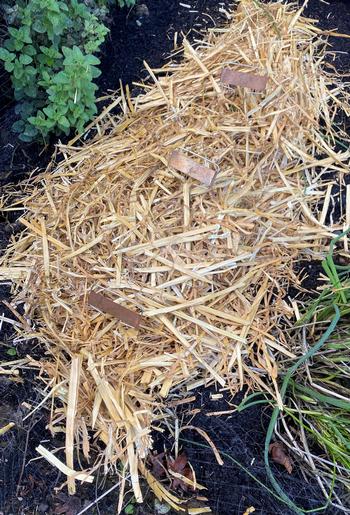 Straw covering tender plants. Photo: Jill Heiman Williams
Marin County boasts a Mediterranean climate characterized by wet winters and dry summers. While this climate offers a beautiful growing season, it also presents unique challenges during the winter months. The combination of cold temperatures and heavy rainfall can lead to root rot suffocation, frost damage, and other issues that threaten the health of your plants. By taking proactive measures, you can minimize these risks and help your garden weather the winter.
Assess Your Garden
The first step in winterizing your garden is an assessment. Take note of your plant’s needs and vulnerabilities. Some plants, such as succulents and tropical varieties, may require special attention, while others, like native species, are more resilient. Identify which plants are at risk of frost damage and which can tolerate the wet conditions typical of Marin’s winter.
Prepare the Soil
Healthy soil is the foundation of a thriving garden. Before winter sets in, add organic matter, such as compost or well-rotted manure, to improve soil structure and fertility. This not only nourishes your plants but also enhances drainage and can create warmth. Don't dig or till the soil. If the soil becomes wet, do your best not to walk on it to help avoid compaction. Leave the leaves if more than five feet from your home. Decomposing leaves will help nurture the soil, provide habitat, create warmth, suppress weeds, and maintain moisture.
Protect Vulnerable Plants
For plants that require additional protection to survive the colder months, here are a few tips:
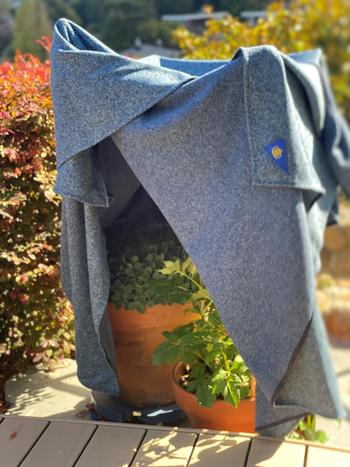 Covered plants. Photo: Jill Heiman Williams
- Mulch: Apply a layer of organic mulch around the base of your plants. Two to six inches of mulch will insulate the soil, regulate temperature, and help to retain moisture. Choose materials like straw, shredded leaves, or bark chips, and ensure the mulch is not piled directly against the plant stems to prevent rot. Small, fragile plants can also benefit from being temporarily covered with mulch, like straw, during a frost event. Remove this once the fear of frost has passed.
- Cover Plants: For tender plants, consider using frost cloths or burlap to cover them on particularly cold nights. These materials provide an extra layer of insulation and help shield plants from harsh winds and freezing temperatures. Remove frost cloth protection when fear of frost has passed.
- Container Plants: If you have potted plants, move them to a more sheltered location, such as a garage or covered patio. If relocating isn’t possible, group pots together to create a microclimate and wrap them with bubble wrap or old blankets to provide insulation.
- Consider setting up stakes around fragile plants. Staking before the weather turns will make it easier to drape a fragile plant with a blanket or tarp during freezing or inclement weather.
- Prune trees exposed to high wind areas. Thinning a tree helps reduce storm and wind damage. Plus, many trees benefit from winter pruning. They heal faster when dormant, and the structure of the tree is easier to see without leaves.
Water Wisely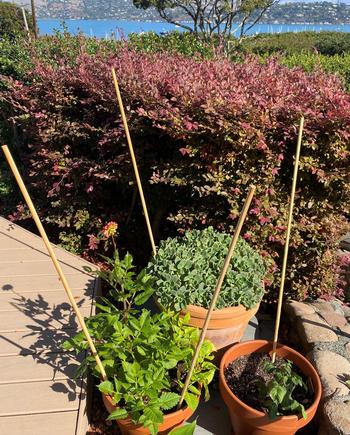 Staked container plants preparing for frost or inclement weather. Photo: Jill Heiman Williams
While it may seem counter-intuitive, proper watering during the winter is essential. Many plants go dormant and require less water; however, if the weather is particularly dry, ensure your plants are adequately hydrated. If frost is predicted, water the soil thoroughly (except around succulents). Wet soil holds heat better than dry soil, protecting roots and warming air near the soil.
Winterizing your garden is a crucial task for Marin County gardeners. By assessing your plants’ needs, preparing the soil, and protecting vulnerable species, you can ensure a healthy garden that will thrive in the spring. With a little effort now, your garden will be well-equipped to withstand the winter months and bloom beautifully when warmer weather returns.
For month-to-month garden activities specific to Marin County, refer to the UC Master Gardeners website: marinmg.ucanr.edu.