

Specialized & Ergonomic Tools
Below are tools that are more specialized than the basic essentials, but are very useful for more specific gardening tasks.
Specialized tools
PRUNING
• Pruning shears are often used for hedges
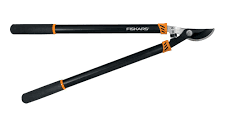
• Lopping shears are used for branches up to 3-inches in thickness but not for pruning as they tend to make ragged cuts which do not seal properly
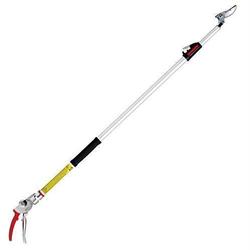
• Pole pruners are useful when branches are beyond arm’s reach
HOES & CULTIVATORS
Uses:
• Cultivation and weeding
Various types include:
• a triangle hoe for breaking into stubborn soil, weeding and cultivation in tight spots
• a warren hoe has a pointed tip and used to make furrows
• a scuffle hoe is used to remove weeds just below the soil surface
SPADING FORK
Uses:
• Turning and carrying
• Mixing a compost pile
• Loosening soil
PITCHFORK
• Longer, thinner tines than a spading fork
Uses:
• For moving light, loose material such as straw
BOW RAKE & STRAIGHT RAKE
• Bow rake: For smoothing, removing stones and breaking up clods
• Straight rake: Use to smooth the seedbed and to compact soil over freshly sown seed for improved germination
RAIN GAUGE
• Weather-resistant polycarbonate tube with 1 inch measurements
• Bracket to attach to a post
Uses:
• To measure rainfall or snowfall in your garden location
LABELING
• Label sticks indicate what you planted, when you planted and time to harvest or prune
STAKES, TWINE
• Stakes and twine help align straight rows
• Twine helps to secure plants to trellises or supports
MEASURING TAPE
• Measuring tape is useful for determine the distance between plants and rows
SAFETY GLASSES
• Safety glasses or goggles are a good idea for pruning, especially when using pole pruners
Ergonomic Tools
Tools that reduce stress:
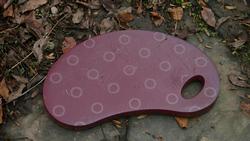
Kneelers
Foam handle grips
Seats, low to the ground, on wheels or swivels
Extendable handle tools
D-shape and radius shaped handles and grips